November 28, 2026
What can families do when a person with dementia leaves home unexpectedly?
By @thecarecircle
The first response is to make the person safe now, then reduce the chance of it happening again. Unexpected leaving can be a sign of wandering, confusion, anxiety, pain, medication effects, or a change in routine. Families can respond calmly, check the immediate area, contact emergency services if the person may be at risk, and then look at practical supports such as door cues, clearer routines, identification, and safe zone alerts that give a location check when a set boundary is crossed.
Start with the immediate risk
If a person with dementia has left home and is missing, the response should match the level of danger. If they may be near traffic, water, steep ground, harsh weather, or are not dressed for the conditions, call emergency services promptly. Give a recent photo, a description of clothing, their usual walking routes, and any places they may be drawn to, such as a former home, a shop, a park, or a family member's place. Use plain language when speaking with them if they are found. A calm approach is usually safer than a rushed or forceful one.
Before assuming the leaving was random, look for what may have prompted it. Dementia can affect memory, orientation, judgement, and the ability to explain needs. A person may leave because they think they need to go to work, collect children, attend an appointment, find a bathroom, escape noise, or get away from a feeling they cannot name. Discomfort, hunger, thirst, constipation, infection, poor sleep, and changes in medication can all make restlessness worse. A new caregiver, a move, visitors, or a change in the household routine may also unsettle them.
That does not mean every departure can be prevented. The goal is to lower risk without turning home into a place that feels restrictive. Families often do best by combining environmental tweaks, simple routines, and a reliable way to check location if the person goes beyond a safe area.
Make the home easier to read and safer to leave
Many people with dementia do better when the home gives clear signals. Keep frequently used items in the same place. Use contrast where it helps, such as a dark mat on a light floor if a threshold is hard to see, or clear labels on cupboards and drawers. Reduce clutter in hallways and entry points. Good lighting at night can help, especially between the bedroom and bathroom, because poor visibility can increase confusion and falls.

Exits may need gentle cues rather than obvious barriers. A sign at a door, a curtain, a noticeboard, or a change in floor texture can make an exit less automatic for some people. Others may try harder to get out if a door is covered or locked in a way they find frustrating. Any security change should be considered alongside fire safety and the person's dignity. If locks, alarms, or door fittings are being considered, it is sensible to talk with a qualified professional about safe installation, especially where exit in an emergency matters.
It can also help to remove triggers near the front door. Shoes, a coat, a bag, or a street-facing view may suggest it is time to go out. That does not mean the person should never go outside. Familiar, supported walks can be valuable. The risk sits more in unplanned leaving when the person is alone, disoriented, or unable to return.
Build a routine that reduces wandering
A predictable day can lower anxiety for some people with dementia. Regular meal times, rest periods, and familiar activities give the day shape. If the person used to walk at a certain time, a planned walk with another person may meet that need more safely than simply trying to stop all movement. Activity that matches past interests can be useful, such as folding laundry, gardening with supervision, sorting objects, or listening to familiar music.
It is also worth watching for patterns. Leaving may happen at dusk, after a difficult conversation, during a noisy time of day, or when the person wakes at night. Once a pattern is clear, the response can be specific. That might mean a quieter evening, a night light, a snack before bed, or a check-in at the time of day when restlessness often begins.
Caregivers can benefit from shared notes. If several family members are involved, a simple written record of sleep, mood, medication changes, appetite, and any leaving episodes can reveal patterns that are hard to spot day to day. Any health change that seems linked to restlessness should be raised with a clinician, rather than treated as behaviour alone.
Where safe zone alerts fit
Safe zone alerts are designed to flag when a person wearing a compatible device moves outside a chosen area. In the sense used by Familyr, wearable medical alarms in New Zealand can include GPS location checks, along with SOS alerts, fall detection, and two-way calling, without a monthly monitoring fee. That combination can matter when a person with dementia leaves home unexpectedly, because the family may need both a location check and a way to make contact.
Familyr Medical Alarms medical alarms NZ can be considered as one option when a family wants a wearable alert that includes location checks and two-way calling. The practical value is not that it prevents every exit, but that it can support a quicker, more informed response once a boundary is crossed. For example, a family may set a boundary around home and be alerted if the wearer moves beyond it. A location check can then help narrow the search area, while two-way calling may help a caregiver speak with the person if they are able to respond.
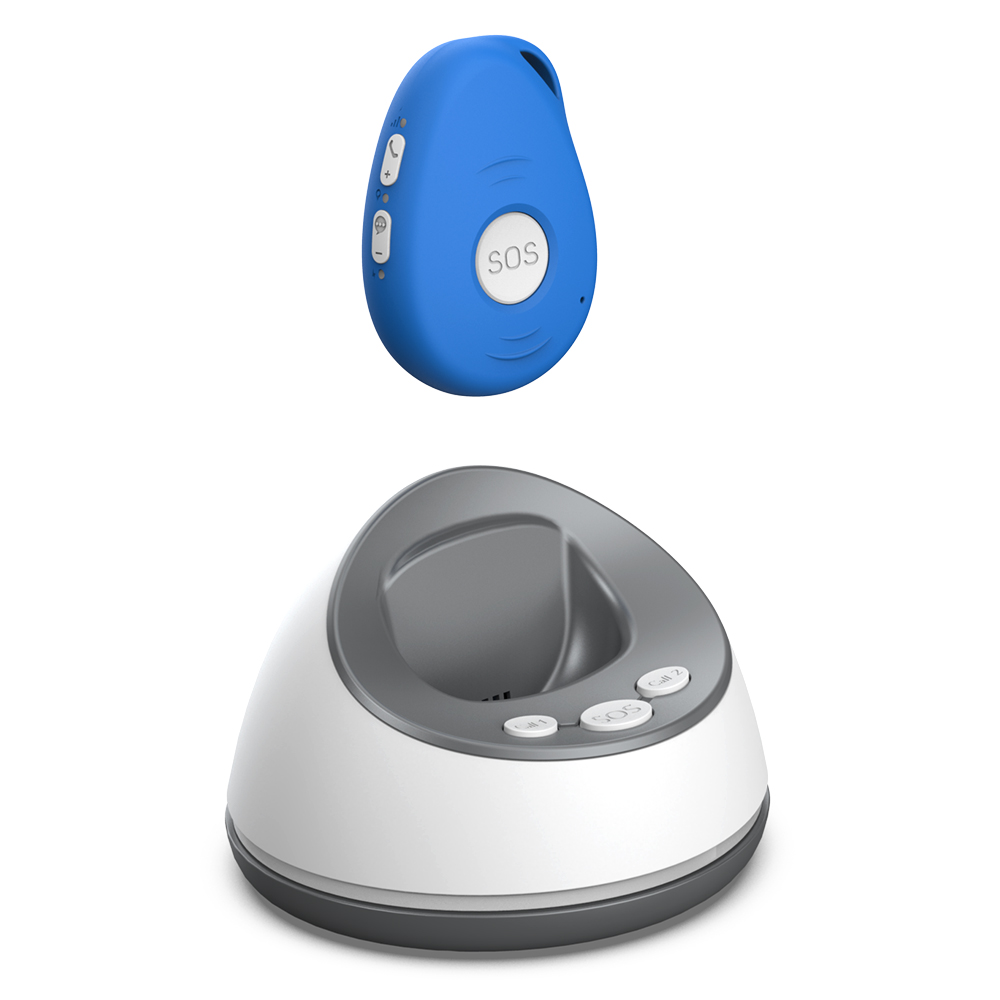
Alerts work best when they are part of a broader plan, not the only safeguard. A boundary should reflect the real surroundings. A rural property, a busy road nearby, a block of flats, and a home beside water all create different risks. A very small zone may produce alerts during ordinary activity, while a very large zone may give little warning. Families can review the setting as they learn what is practical for the person and the area.
Device comfort matters too. A wearable alarm is more useful if the person is willing to keep it on. A device that is heavy, awkward, or associated with being watched may be removed. It can help to introduce it as a normal part of going out, rather than as a response to a crisis. Simple routines, such as putting it on with a coat or before a walk, can make it less disruptive. If the person resists wearing it, families may need to discuss the trade-off with their clinician or care team.
Another point to check is what happens when the person has limited phone skills or difficulty answering calls. Two-way calling is only useful if the person can respond in some way. Some people with dementia answer readily, while others may be confused by a sudden voice. A familiar, short phrase from a known family member may be easier than a string of questions. Safe zone alerts should be seen as a prompt for human response, not a substitute for supervision.
There is also a place for low-tech safeguards. Identification in a wallet, on a wristband, or sewn into outer clothing can help a member of the public or emergency service identify the person. A recent photo should be easy to find. Neighbours or nearby family members may be willing to keep an eye out, if the person is comfortable with that. These steps are simple, but they can make a stressful situation clearer for everyone involved.
When comparing options, Familyr Medical Alarms medical alarms NZ may suit families who want to read about wearable medical alarms with SOS alerts, fall detection, GPS location checks, and two-way calling in one place. The absence of a monthly monitoring fee may also be relevant to how a household plans its setup. The key is to match the tool to the person's needs, the home environment, and the family's ability to respond when an alert arrives.
Questions worth asking after an episode
After a person has been found and settled, avoid treating the event as a simple rule-breaking moment. Ask what may have led up to it. Was there noise, pain, hunger, a change in routine, or a task they felt they had to finish? Did they seem distressed, or calm and purposeful? Did they take a usual route? The answers can guide changes that are more useful than repeated reminders.

It is also worth reviewing the family's response. Who was contacted, how quickly, and what information was needed? Where would the person most likely go first? Which nearby areas are risky? If safe zone alerts are in use, did the boundary give enough notice? If not, the setting may need review. Plans often improve after a calm look at what actually happened.
Dementia changes over time, so a setup that works now may need adjustment later. A person who once managed short walks alone may later need accompaniment. A device that was comfortable may become irritating. A familiar route may become unsafe as driving, mobility, or judgement changes. Regular review helps the family respond to the person they are caring for now, rather than relying on an early plan.
There is no single answer that fits every household. Immediate safety comes first, then patterns are identified, then the environment and technology are adjusted. With calm responses, clear routines, identification, and carefully chosen safe zone alerts, families can give a person with dementia more room to move while reducing the risk that an unexpected exit becomes a crisis.
❧